Cast · Machined · Tested
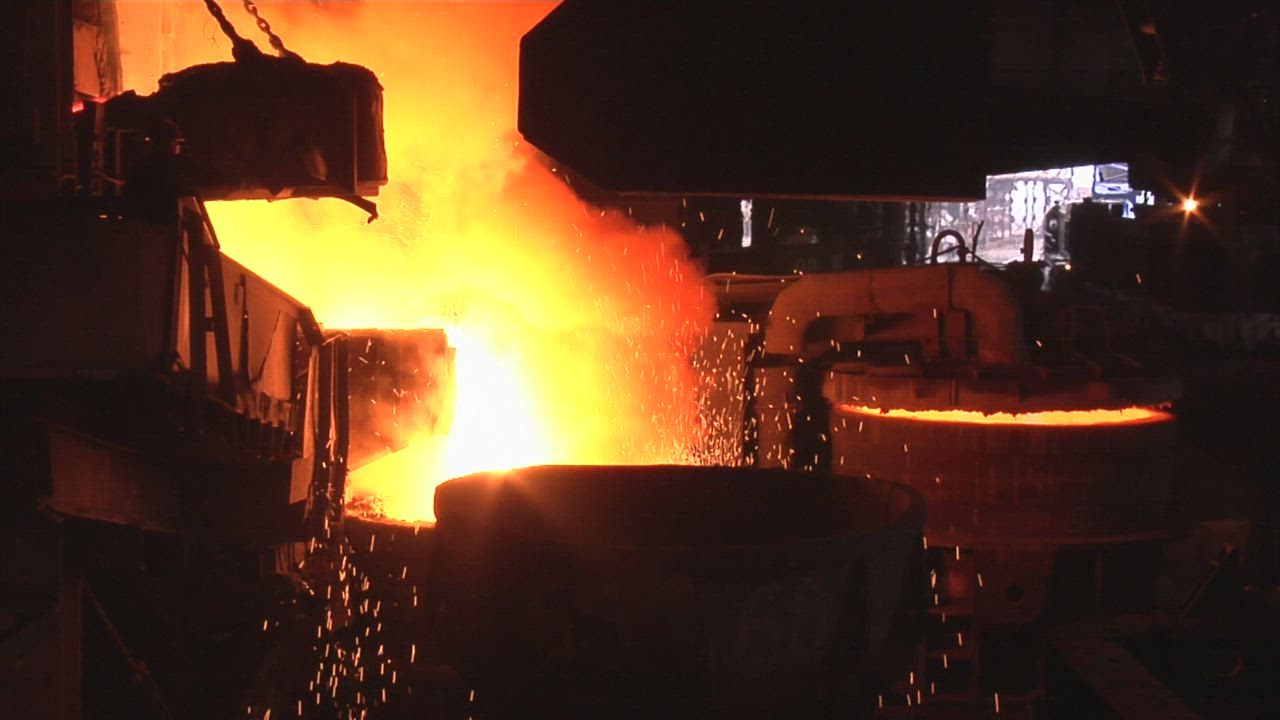
From molten iron to tested pressure
We cast, machine, assemble and test centrifugal pumps from 2 to 3,000 m³/h, each one sized to its duty and run against its curve before it ships.

Simulated run
VX 65-50-200 at its duty point. Example run: flow follows speed, head its square.
Speed
2,900
min⁻¹
Flow
50.0
m³/h
Head
50.0
m
Power
9.7
kW
Inside The Works
Watch a pump being made
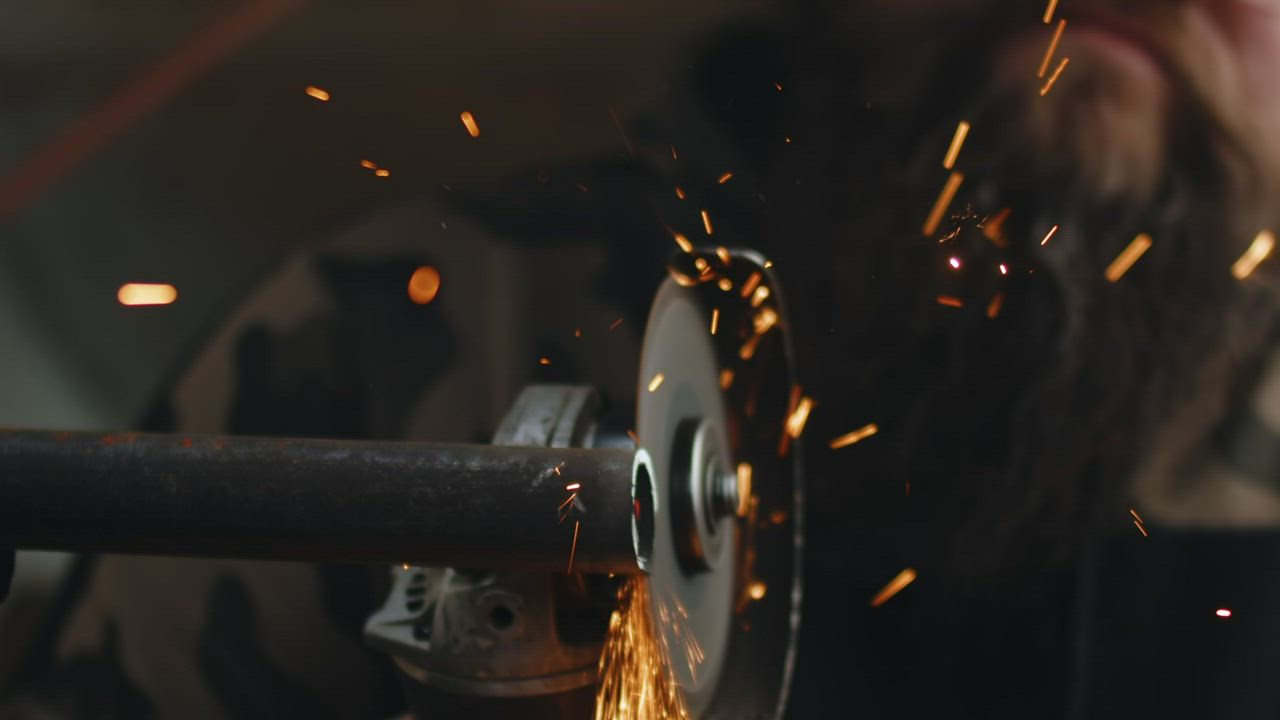
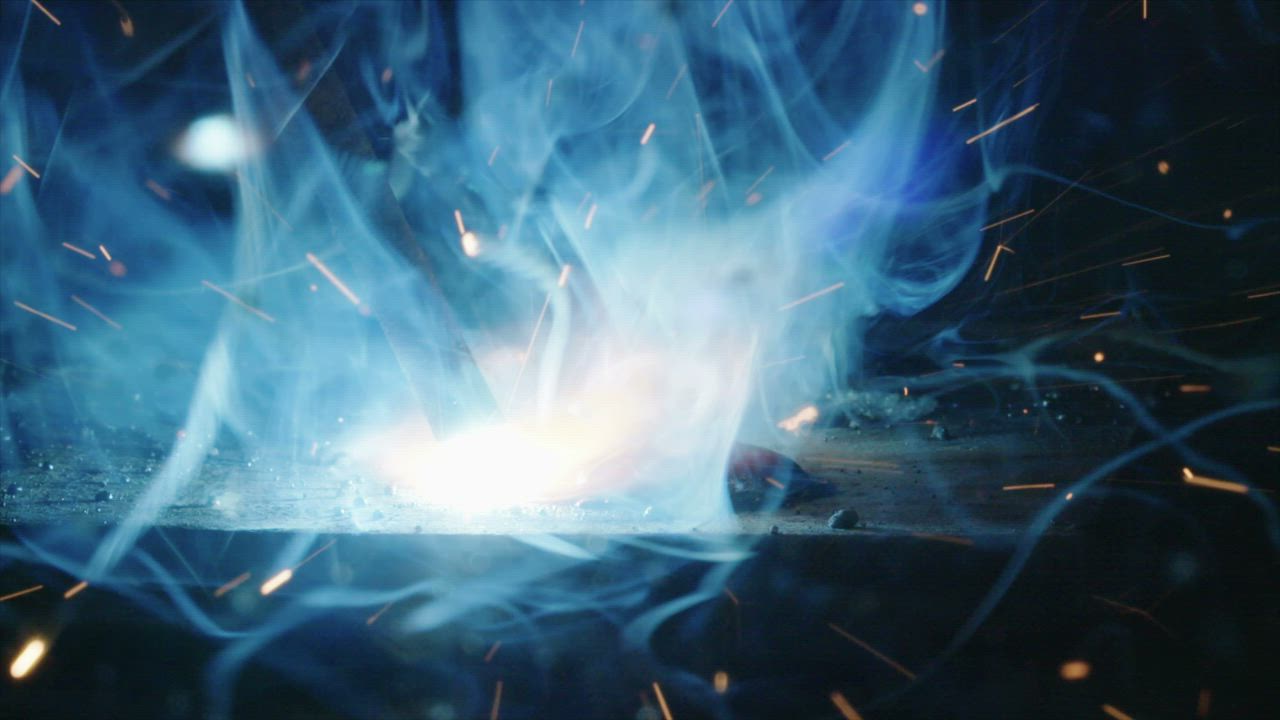
Five shops under one roof, from the first pour to the test loop. Let the reel run, or use the arrows.
Who We Are
Cast by hand, machined to tolerance, proven on our own loop
Foundry, machine shop, fabrication, assembly and test loop sit under one roof. The engineer who sizes your pump can walk to every stage of it, so a casting flaw or a short curve is found here, not on your site.
01
Cast
02
Machine
03
Fabricate
04
Assemble
05
Test

100%
of our pumps run against their curve before they ship
// Series //
6
From end-suction to packaged fire sets, one standard of test
// Max flow //
3,000
m³/h
Across the range, from 2 m³/h up
// Max head //
300
m
With VM multistage pumps on a small footprint
// Tested //
100
%
Every pump runs on our loop before it ships
What We Do
Pumps sized to every duty
Explore All Services

Pump selection
Ready to size your
next pump?
Send Your Duty
What We Manufacture
11+
Parts in one VX pump set, every one cast, machined or fitted in our works.

Assembled · VX 65-50-200
VX end-suction

General-purpose pump for clean and slightly contaminated water.
Flow
2 – 400 m³/h
Head
5 – 100 m
Casing
EN-GJL-250 grey iron
VS split-case

Large flows with the rotor accessible from above.
Flow
2 – 400 m³/h
Head
5 – 100 m
Casing
EN-GJL-250 grey iron
VM multistage

High head on a very small footprint.
Flow
2 – 400 m³/h
Head
5 – 100 m
Casing
EN-GJL-250 grey iron
VI inline

Flanges in line, motor on top, for crowded plant rooms.
Flow
2 – 400 m³/h
Head
5 – 100 m
Casing
EN-GJL-250 grey iron
Explore our complete pump range across six series.
Built For Every Duty
Pumping solutions for every industry

Water supply
Raw-water intake, treatment works and distribution mains run around the clock for decades. We size for the running hours, not only the nameplate.
VS split-case pumps for mains and intake
VX end-suction pumps for wash water and transfer
Duty / standby sets on a common baseplate
Buildings and HVAC
Heating, chilled-water and condenser circuits need quiet pumps that fit a crowded plant room and run at part load most of the year.
VI inline pumps for circuits
VX pumps for condenser water
Twin-head sets for duty and standby

Fire protection
A fire pump may run once a year in anger and once a week on test. It has to start every time, so the set is tested as a set.
Electric-drive VF sets
Diesel-drive VF sets with fuel tank
Jockey pump and controller on the same base
Process and chemical
Acids, solvents and hot oils decide the metal and the seal before they decide the size. We start with the liquid's datasheet.
VP pumps in stainless and duplex
Cartridge seals with support systems
Heating jackets for liquids that set

Irrigation
Seasonal duty, long pipelines and water straight from a canal or borehole. Easy access to wear parts beats the last point of efficiency.
VX pumps on skids for pivots and drip systems
VS pumps for scheme-scale lifts
Bronze impellers for sandy water

Boiler feed and boosting
High head at modest flow, often with hot water close to its boiling point. Multistage pumps do this in little floor space.
VM pumps for boiler feed
VM booster sets for tall buildings
Pumps for reverse-osmosis feed
Worked Examples
Real duties, worked through
Raw-water intake for a treatment works
River water, 5 to 20 °C. Large flow at moderate head is split-case work.
1,800 m³/h
at 42 m · VS split-case
View Detail

Chilled-water circuit in an office building
Water with 25 % glycol, 6 °C. In-line flanges drop straight into the riser and the vertical motor saves floor space.
120 m³/h
at 18 m · VI inline
View Detail
Sprinkler system for a warehouse
Clean water from a tank. A fire set is tested as a set: pump, driver and controller on one baseplate.
300 m³/h
at 100 m · VF fire package
View Detail
Boiler feed for a steam plant
Feedwater, 105 °C. High head at small flow: stacked stages do it on a small footprint.
12 m³/h
at 180 m · VM multistage
View Detail
Drip irrigation from a canal
Canal water with some sand. A back-pull-out end-suction pump keeps the wear parts easy to reach during the season, and a bronze impeller copes with the sand..
90 m³/h
at 45 m · VX end-suction
View Detail
Solvent transfer in a chemical plant
Toluene, 40 °C. The liquid decides the metal and the seal before the size: stainless casing, cartridge seal with a flush, and a motor rated for the site's hazardous area..
25 m³/h
at 40 m · VP process
View Detail


Need some help?
An engineer reads every duty point and replies with a selection.
Contact Us Now
EN 733
End-suction pump dimensions
ISO 2858
Process pump dimensions
ISO 9906
Performance acceptance test
EN 12756
Mechanical seal dimensions
EN 1092-1
Flange drilling
IEC 60034-30-1
Motor efficiency, IE3
EN 733
End-suction pump dimensions
ISO 2858
Process pump dimensions
ISO 9906
Performance acceptance test
EN 12756
Mechanical seal dimensions
EN 1092-1
Flange drilling
IEC 60034-30-1
Motor efficiency, IE3
Why VOLUTA
Pumping you can count on
01
One works from pattern shop to test loop
02
Impellers trimmed to your exact duty
03
Measured curve against the quoted one
04
Material certificates for wetted parts
05
Spares matched by casing number
Our Services
Pump room, plant utility building
Built On Test
Proven on the test loop, not in the brochure
Every pump runs on our loop before it ships. Flow, head and power are measured at five points, your duty included, and the certificate travels with the pump.
5
points measured across the curve
1.5×
rated pressure, held by every casing
G6.3
balance grade for every rotor
Request A Quote
VOLUTA · Test certificate
VX 65-50-200
Example
Casing no.
0001 (sample)
Speed
2,900 min⁻¹
Duty
50 m³/h at 50 m
Test
ISO 9906

Quoted curve
Measured
Duty point
Q, m³/h
H quoted, m
H measured, m
P, kW
η
0
58.0
58.3
3.6
–
25
56.0
56.4
6.9
55 %
50
50.0
50.4
9.7
70 %
62.5
45.5
45.7
10.8
72 %
75
40.0
39.8
11.7
70 %
Reading a pump curve
Read full noteNPSH in plain words
Read full noteGot a duty point?
Let’s size your next pump.
Send flow, head and the liquid. An engineer replies with a selection, a curve and a price.
Stay connected
Pump notes, new series and test-loop open days, a few times a year.
Contact info
Working hours
Mon to Fri: 08:00 – 17:00
Test loop visits by appointment
Sat and Sun: closed
© 2026 VOLUTA, a concept site: product data, addresses, figures and worked examples are samples to confirm before use. Photos: Unsplash (Unsplash License) and Wikimedia Commons: “In-stream inoculation addition while molten cast iron is poured to a green sand mold in a foundry in Bangladesh” by Sm faysal, CC BY-SA 4.0; “Foundry practice; a treatise on molding and casting in their various details (1909) (14782674264)” by Internet Archive Book Images, no known copyright restrictions; “Engine house for pump at Westonzoyland Pumping Station - geograph.org.uk - 7258658” by David Smith, CC BY-SA 2.0; “Blue Grass Chemical Agent-Destruction Pilot Plant Utility Building (12816184725)” by PEO ACWA, CC BY 2.0; “Fire Pump Room, Brisbane, 2021” by Kgbo, CC BY-SA 4.0; “Motorised Pump Irrigation - geograph.org.uk - 4609184” by Rude Health, CC BY-SA 2.0; “Ullrich Water Treatment Plant Intake Lake Austin 2020” by Larry D. Moore, CC BY 4.0; “Duisburg, Landschaftspark Duisburg-Nord -- 2020 -- 7824-6” by the author named on the Commons file page, CC BY-SA 4.0; “Duisburg, Landschaftspark Duisburg-Nord -- 2020 -- 7803-5” by the author named on the Commons file page, CC BY-SA 4.0; “Waste Water Treatment Plant” by Dmitry Makeev, CC BY-SA 4.0; “Hala główna Galerii Elektrownia w Czeladzi z ekspozycją maszyn i urządzeń pokopalnianych” by Krzysztof Popławski, CC BY-SA 4.0. Films: Mixkit (Mixkit Free License). Pump drawings rendered from the site's own 3D model.


