Free shipping on orders over $150
•
Designed for the daily mile
•
Free returns within 30 days
•
Worldwide delivery
•
Free shipping on orders over $150
•
Designed for the daily mile
•
Free returns within 30 days
•
Worldwide delivery
•


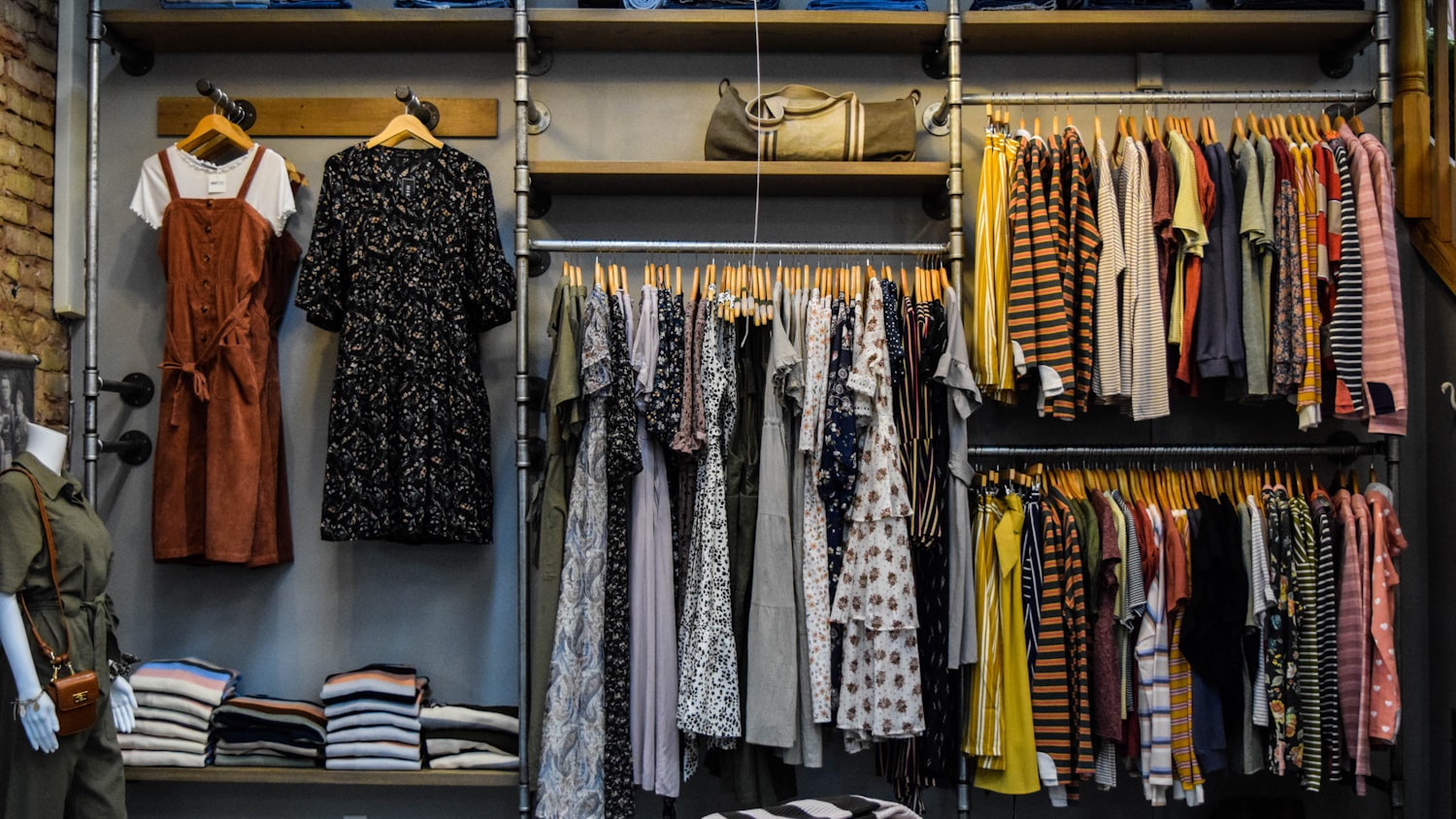
A common objection to owning less clothing is that it must be limiting. More garments, the reasoning goes, means more combinations, and more combinations means more freedom. The arithmetic seems obvious. It is also wrong, and the reason it is wrong tells you most of what you need to know about how a wardrobe actually functions.
A common objection to owning less clothing is that it must be limiting. More garments, the reasoning goes, means more combinations, and more combinations means more freedom. The arithmetic seems obvious. It is also wrong, and the reason it is wrong tells you most of what you need to know about how a wardrobe actually functions.
A common objection to owning less clothing is that it must be limiting. More garments, the reasoning goes, means more combinations, and more combinations means more freedom. The arithmetic seems obvious. It is also wrong, and the reason it is wrong tells you most of what you need to know about how a wardrobe actually functions.

A wardrobe is not a set of items. It is a set of relationships. Two garments are only useful together if their proportions agree, their colours sit in the same family, and their weights make sense in the same weather. Add a garment that agrees with nothing else and you have not added a combination — you have added an isolated object that occupies space and attention every morning.
A wardrobe is not a set of items. It is a set of relationships. Two garments are only useful together if their proportions agree, their colours sit in the same family, and their weights make sense in the same weather. Add a garment that agrees with nothing else and you have not added a combination — you have added an isolated object that occupies space and attention every morning.
A wardrobe is not a set of items. It is a set of relationships. Two garments are only useful together if their proportions agree, their colours sit in the same family, and their weights make sense in the same weather. Add a garment that agrees with nothing else and you have not added a combination — you have added an isolated object that occupies space and attention every morning.
Counting what actually gets worn
Counting what actually gets worn
Counting what actually gets worn
We ran an informal study across our own team over one winter. Everyone logged what they wore each day for ninety days. The result was not surprising in direction, only in degree: on average, seventy-one per cent of days were covered by nine garments. The remaining wardrobe — often forty or fifty pieces — accounted for the other twenty-nine per cent, and a large portion of that was a single formal outfit worn twice.
We ran an informal study across our own team over one winter. Everyone logged what they wore each day for ninety days. The result was not surprising in direction, only in degree: on average, seventy-one per cent of days were covered by nine garments. The remaining wardrobe — often forty or fifty pieces — accounted for the other twenty-nine per cent, and a large portion of that was a single formal outfit worn twice.
We ran an informal study across our own team over one winter. Everyone logged what they wore each day for ninety days. The result was not surprising in direction, only in degree: on average, seventy-one per cent of days were covered by nine garments. The remaining wardrobe — often forty or fifty pieces — accounted for the other twenty-nine per cent, and a large portion of that was a single formal outfit worn twice.
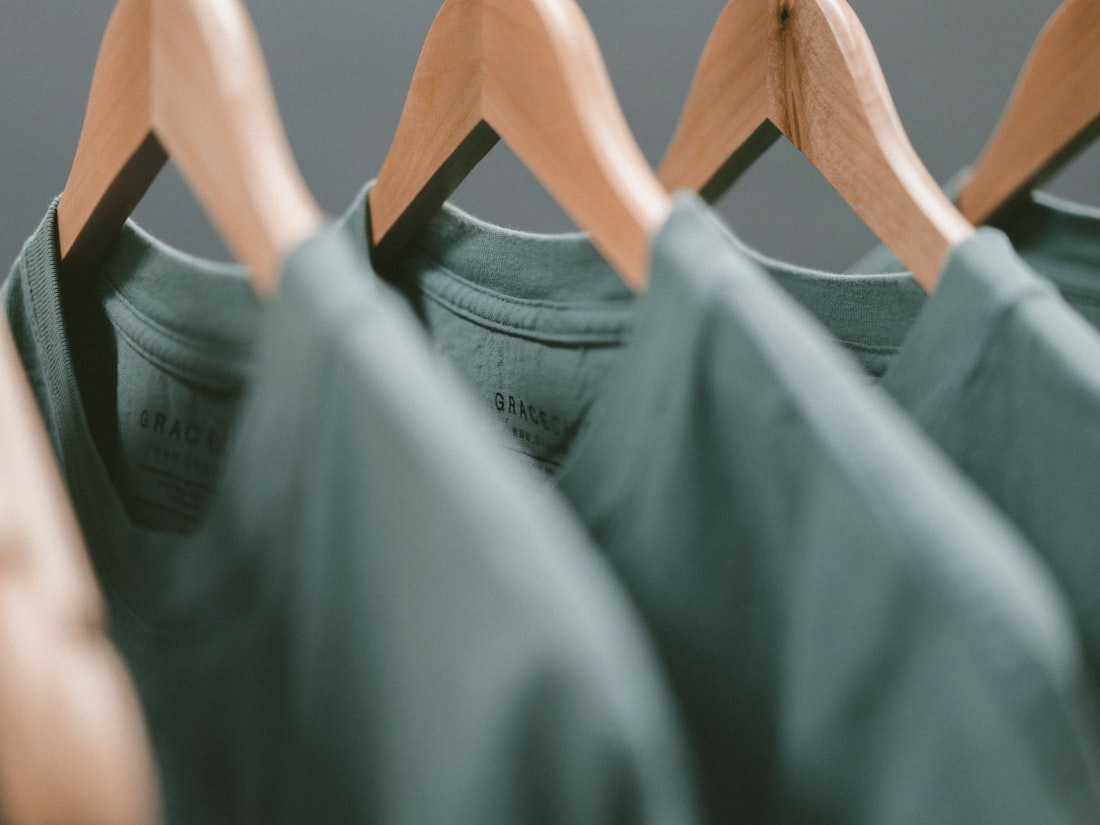
Nine pieces covered seventy-one per cent of days across a ninety-day log.
The nine pieces were not the most interesting things anyone owned. They were the most agreeable. Each one worked with at least four others. That is the property worth optimising for, and it is invisible when you shop item by item.
The nine pieces were not the most interesting things anyone owned. They were the most agreeable. Each one worked with at least four others. That is the property worth optimising for, and it is invisible when you shop item by item.
The nine pieces were not the most interesting things anyone owned. They were the most agreeable. Each one worked with at least four others. That is the property worth optimising for, and it is invisible when you shop item by item.
Designing for agreement
Designing for agreement
Designing for agreement
When we draft a new piece, we hold it against everything already in the line before we look at it on its own. Does the shoulder line match? Will the hem sit correctly under the shell? Is the colour in the same temperature family as the existing neutrals? A garment that fails those checks may still be a good garment. It is not a good addition.
When we draft a new piece, we hold it against everything already in the line before we look at it on its own. Does the shoulder line match? Will the hem sit correctly under the shell? Is the colour in the same temperature family as the existing neutrals? A garment that fails those checks may still be a good garment. It is not a good addition.
When we draft a new piece, we hold it against everything already in the line before we look at it on its own. Does the shoulder line match? Will the hem sit correctly under the shell? Is the colour in the same temperature family as the existing neutrals? A garment that fails those checks may still be a good garment. It is not a good addition.
The goal is not to own less. It is to own things that agree with each other, so that fewer decisions are required in the first place.
The goal is not to own less. It is to own things that agree with each other, so that fewer decisions are required in the first place.
The goal is not to own less. It is to own things that agree with each other, so that fewer decisions are required in the first place.
- Build outward from a single neutral base rather than collecting statement pieces.
- Before buying, name four things you already own that the new piece works with.
- Replace rather than accumulate — one in, one out keeps the relationships intact.
- Judge a garment on its second year, not its first week.
None of this requires austerity or a uniform. It requires a slightly different question at the point of purchase. Not "do I like this?" but "what does this work with?" The first question is about the object. The second is about the wardrobe, which is the thing you actually use.
None of this requires austerity or a uniform. It requires a slightly different question at the point of purchase. Not "do I like this?" but "what does this work with?" The first question is about the object. The second is about the wardrobe, which is the thing you actually use.
None of this requires austerity or a uniform. It requires a slightly different question at the point of purchase. Not "do I like this?" but "what does this work with?" The first question is about the object. The second is about the wardrobe, which is the thing you actually use.