Free shipping on orders over $150
•
Designed for the daily mile
•
Free returns within 30 days
•
Worldwide delivery
•
Free shipping on orders over $150
•
Designed for the daily mile
•
Free returns within 30 days
•
Worldwide delivery
•



When a waterproof jacket starts to feel damp inside, most people conclude it has failed. Usually it has not. What has failed is the durable water repellent finish on the outer face, and the consequence is a wet-out surface that stops the membrane breathing. The result feels identical to a leak and is entirely reversible.
When a waterproof jacket starts to feel damp inside, most people conclude it has failed. Usually it has not. What has failed is the durable water repellent finish on the outer face, and the consequence is a wet-out surface that stops the membrane breathing. The result feels identical to a leak and is entirely reversible.
When a waterproof jacket starts to feel damp inside, most people conclude it has failed. Usually it has not. What has failed is the durable water repellent finish on the outer face, and the consequence is a wet-out surface that stops the membrane breathing. The result feels identical to a leak and is entirely reversible.

Wash it more, not less
Wash it more, not less
Wash it more, not less
Body oils, sunscreen and urban grime are what kill a DWR finish. The instinct to avoid washing a technical jacket is exactly backwards. Wash it whenever water stops beading, using a technical detergent rather than standard laundry liquid, which leaves surfactant residue that attracts water.
Body oils, sunscreen and urban grime are what kill a DWR finish. The instinct to avoid washing a technical jacket is exactly backwards. Wash it whenever water stops beading, using a technical detergent rather than standard laundry liquid, which leaves surfactant residue that attracts water.
Body oils, sunscreen and urban grime are what kill a DWR finish. The instinct to avoid washing a technical jacket is exactly backwards. Wash it whenever water stops beading, using a technical detergent rather than standard laundry liquid, which leaves surfactant residue that attracts water.
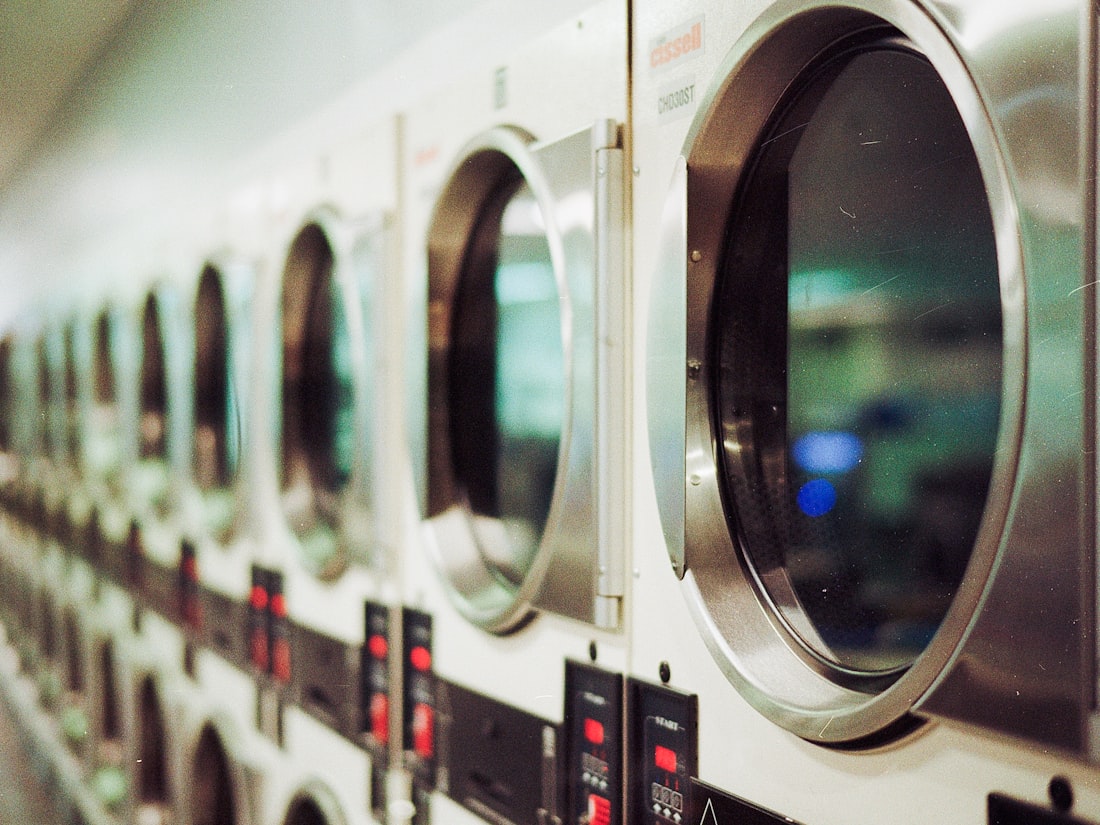
A technical wash and fifteen minutes of low heat restores most finishes.
- Close all zips and fasten the storm flap before washing.
- Use a technical wash. Never use fabric softener.
- Tumble dry low for fifteen minutes — heat is what reactivates the finish.
- If beading does not return, apply a wash-in reproofer and dry again.
A shell that is washed and reproofed twice a year will outlast one that is treated carefully and never cleaned.
A shell that is washed and reproofed twice a year will outlast one that is treated carefully and never cleaned.
A shell that is washed and reproofed twice a year will outlast one that is treated carefully and never cleaned.
If the jacket still wets out after reproofing, the membrane or the seam tape may genuinely have failed. That is a repair, not a replacement — send it to us and we will assess it under the warranty regardless of how old it is.
If the jacket still wets out after reproofing, the membrane or the seam tape may genuinely have failed. That is a repair, not a replacement — send it to us and we will assess it under the warranty regardless of how old it is.
If the jacket still wets out after reproofing, the membrane or the seam tape may genuinely have failed. That is a repair, not a replacement — send it to us and we will assess it under the warranty regardless of how old it is.